
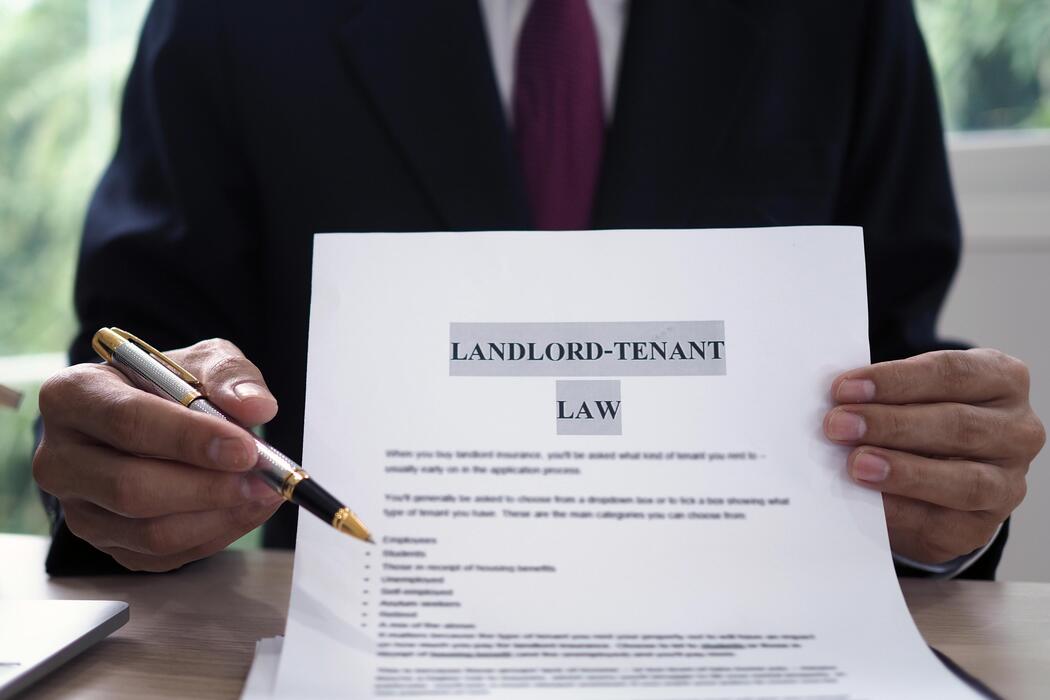
A commercial lease can shape your business for years, so it should never be treated as a routine document. Beyond the stated rent, it may include operating costs, repair duties, insurance requirements, personal guarantees, and strict default provisions that can significantly affect your finances.
Whether you are opening a store, leasing office space, running a restaurant, or renting out commercial property, your lease should work for your goals, not only the other party’s. A commercial landlord tenant lawyer can help uncover hidden risks, negotiate fairer terms, and give you confidence before you sign. Early legal review is a smart way to protect your business, avoid expensive surprises, and move forward with greater certainty.
Understanding the Risks in Commercial Lease Negotiations
Commercial leases are generally negotiable, but the first draft is often written to favor the party that prepared it. Landlords commonly use standard lease forms designed to protect the property owner’s income stream and reduce the owner’s responsibilities. That does not automatically make the lease unfair, but it does mean tenants should read every term carefully before committing.
A lease can affect far more than monthly rent. It can determine:
- How much rent may increase each year
- Which party pays taxes, insurance, utilities, and common-area expenses
- Who is responsible for repairs, maintenance, and code compliance
- Whether the tenant can assign the lease or sublease space
- What happens if sales decline or the business needs to relocate
- Whether the business owner is personally liable for unpaid obligations
- How quickly a landlord may declare a default or seek possession
A single overlooked clause may create a financial obligation that continues even after the business has closed or vacated the premises. That is why tenants and landlords alike often benefit from working with a commercial landlord tenant attorney before negotiations are finalized.
Situations That Call for Commercial Lease Legal Guidance
The best time to involve counsel is before you sign a letter of intent, lease, renewal, amendment, or personal guarantee. While an attorney can assist after a dispute begins, negotiating clear protections at the outset is usually more efficient and less expensive than resolving a conflict years later. Legal representation is essential for complex leases, major investments, guarantees, renewals, transfer rights, specialized premises, and landlord property protection.
A commercial tenant attorney can review the proposed agreement in light of your specific business model. For example, a restaurant tenant may need sufficient time to secure permits and complete construction before rent begins. A retail tenant may need protection if a promised anchor tenant leaves the shopping center. An office tenant may need flexibility to sublease unused space if the company grows more slowly than expected.
What to Negotiate in a Commercial Lease Agreement
Rent, Increases, and Additional Charges
Base rent is only one part of the financial picture. Commercial tenants may also be required to pay a share of property taxes, insurance, maintenance, utilities, management fees, and other operating costs. These obligations are often described as triple-net or modified gross lease expenses. A Commercial Litigation lawyer can clarify operating-expense calculations, annual increase caps, excluded pass-through costs, audit rights, rent start dates, free-rent periods, and additional charges.
Lease Term and Renewal Options
A lease term should provide enough time for the tenant to establish the business and recover investment in the space. At the same time, a business should avoid being locked into a location that no longer works. Renewal options may seem straightforward, but a commercial landlord tenant lawyer will typically review the notice deadline, renewal term, rent formula, and any conditions the tenant must meet before a lease is signed. The NYC commercial lease guide offers additional guidance on reviewing lease terms before making a long-term commitment. For landlords, carefully written renewal provisions can help preserve long-term occupancy while maintaining flexibility to adjust rent based on market conditions.
Repairs, Maintenance, and Building Conditions
Many commercial lease disputes begin with a simple question: who was responsible for fixing the problem? The lease should clearly address responsibility for the roof, foundation, plumbing, HVAC system, electrical components, windows, structural elements, and interior repairs.
Permitted Use and Exclusivity
The permitted-use clause defines what the tenant may do in the space. It should be broad enough to accommodate reasonable business growth, product changes, or related services.
Assignment and Subletting Rights
A company may expand, downsize, sell assets, bring in a partner, or decide to relocate. If the lease prohibits assignment or subletting without meaningful flexibility, the tenant may be stuck paying for space it no longer needs. A commercial landlord tenant attorney can negotiate practical rights to assign the lease or sublet all or part of the premises, subject to reasonable landlord approval.
Personal Guarantees
A personal guarantee is one of the most significant risks for a business owner. It may allow the landlord to pursue the owner’s personal assets if the business does not meet its lease obligations.
Default, Notice, and Termination Clauses
A default provision should not give either party the ability to terminate the lease over a minor issue without a fair opportunity to cure the problem. Tenants should pay close attention to notice requirements, cure periods, late fees, acceleration clauses, and the landlord’s remedies following a default.
Some leases contain conditional limitations or notice-based provisions that can allow a landlord to seek termination quickly.
How a Commercial Lease Lawyer Adds Value
A commercial landlord tenant lawyer does more than identify legal terminology. Effective counsel should help you understand how lease provisions may affect daily operations, future growth, and financial risk.
For tenants, legal representation can help:
- Identify one-sided provisions before they become binding
- Negotiate realistic rent, expense, repair, and renewal terms
- Protect flexibility to assign, sublease, relocate, or sell the business
- Limit personal-guarantee exposure where possible
- Establish fair notice and cure rights
- Review construction, insurance, compliance, and indemnity obligations
For landlords, counsel can help draft or revise agreements that protect the property, preserve income, define tenant obligations, and reduce ambiguity. A well-prepared lease may also reduce the chance of future litigation by setting clear expectations from the beginning.
Do All Commercial Leases Require an Attorney?
Not every short-term or low-risk lease requires the same level of legal work. However, “simple” commercial leases can still contain complex financial and legal obligations. Even a small business lease may include a multi-year commitment, a personal guarantee, and responsibility for expenses that exceed the stated base rent. NYC’s Commercial Lease Assistance Program recognizes that businesses may need legal help when signing, renewing, amending, or ending a commercial lease. The larger the financial commitment, the more important it is to obtain legal guidance. It is also important when the lease is not a standard renewal, the space needs substantial improvements, or the business depends heavily on the location.
A commercial tenant attorney can provide focused advice based on the level of risk involved. In some cases, that may mean a full lease negotiation. In others, it may mean reviewing key terms, explaining the most significant concerns, and helping the client decide which changes are worth pursuing.
Commercial Lease Questions Every Business Owner Should Ask
Before you commit to a commercial lease, ask:
- What will my total occupancy cost be each month and year?
- How much can rent and additional expenses increase?
- Who pays for HVAC, plumbing, structural, and building repairs?
- Are there any clauses that could allow termination without a meaningful chance to cure?
The answers should be clear in writing. Verbal assurances from a broker, landlord, or property manager may not protect you if they are not included in the final lease.
Put Your Commercial Lease on Stronger Ground with Ssutton Law
SRS. Sutton Law provides strategic legal guidance for commercial landlords and tenants handling important lease negotiations in New York City.
With extensive experience in commercial real estate and litigation, our firm reviews lease terms carefully, identifies potential financial and legal risks, and works to secure practical protections for each client. As a trusted commercial landlord tenant lawyer, S. Sutton Law advises clients on rent increases, maintenance obligations, personal guarantees, renewal rights, and default provisions, helping them make informed decisions before signing a lease. We take a personalized approach, focusing on the details that can protect your business, property, and long-term interests.
Conclusion
A commercial lease can shape the future of a business for years. Reviewing it carefully before signing gives both landlords and tenants the opportunity to address risk, negotiate practical terms, and enter the relationship with clearer expectations.
SRS. Ssutton Law represents landlords and tenants in New York City commercial lease review, negotiation, drafting, and related real estate matters. With decades of experience in commercial real estate and litigation, the firm provides tailored guidance designed to protect your business and financial interests. Before you sign a proposed lease, renewal, amendment, or guarantee, speak with an experienced commercial landlord tenant attorney to understand your rights, obligations, and available options.